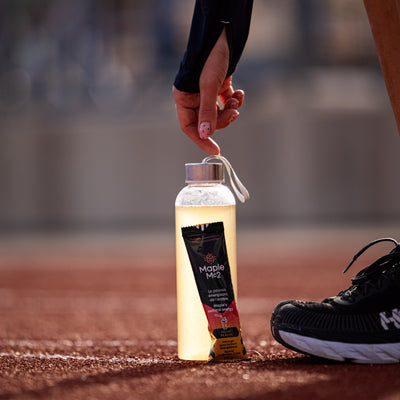
In the sports drink market, the vast majority of products contain at least one of these ingredients:
- Maltodextrin
- Modified sucrose
- Artificial sweeteners
Am I wrong to say that you don't even know where these ingredients come from and what they do to your body?
All of this could be replaced by a single natural ingredient.
Maple syrup provides an energy source rich in glucose and fructose in natural proportions, without the chemical additives found in industrial products.
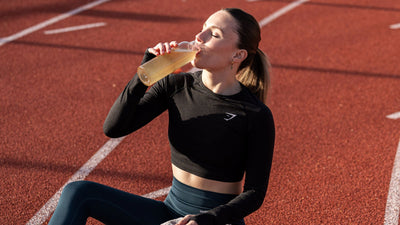
Here's why a natural maple-based sports drink is a wise choice for training, competition, and recovery.
What a typical sports drink contains
Grab any bottle from the shelf. Turn it over. Read the ingredients list.
You'll probably find:
- Maltodextrin, a carbohydrate made from chemically processed corn starch
- Artificial flavors to give a taste that doesn't exist in nature
- Dyes to make the liquid blue, orange, or green
- Preservatives so it lasts for months on a shelf
- Sometimes sucralose or acesulfame-K as a sweetener

These ingredients are there for a reason: large-scale production, low cost.
Not for your performance.
Artificial sugars and maltodextrin: what you need to know
Maltodextrin has a glycemic index between 85 and 105. That's higher than table sugar.
In practical terms, this means:
- A rapid energy spike
- Followed by an equally rapid crash
- Exactly when you need consistency during exertion
Artificial sweeteners, on the other hand, provide no real energy. Zero calories, zero carbohydrates. Your brain tastes sweet, but your body receives nothing.
For an athlete who trains several times a week, these effects accumulate.
Key takeaway
Maple syrup glycemic index: 54. Maltodextrin: 85-105. Table sugar: 65. The lower the index, the more stable the energy during exercise.
Maple, a natural energy source for athletes
Maple syrup comes from maple sap. Period.
No chemical processing. No lab additives. A single ingredient that provides both carbohydrates and electrolytes.
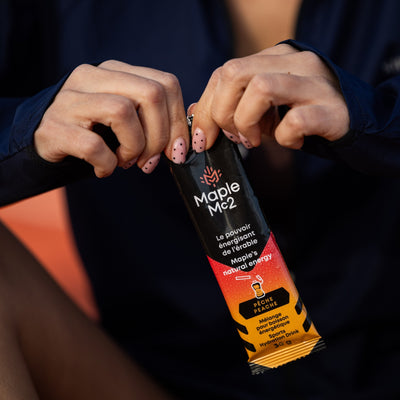
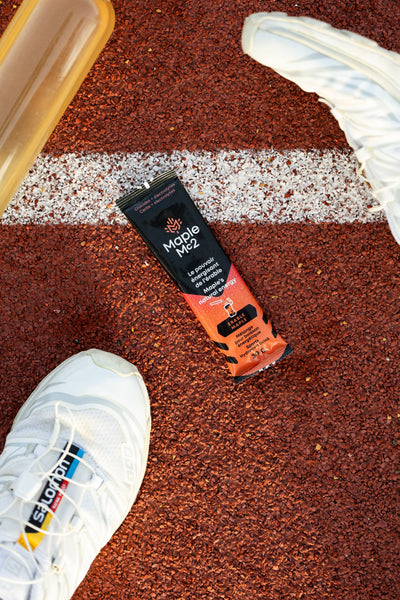
Each Maple MC2 sachet contains:
- 28 g of carbohydrates (natural glucose + fructose)
- 273 mg of sodium
- 94 mg of potassium
- 47 mg of calcium
- 110 kcal
These are exact figures, not estimates. And they come from organic maple syrup, not a synthetic blend.

Maple also naturally contains manganese and zinc, in addition to over 60 bioactive compounds with anti-inflammatory and antioxidant properties, including quebecol, a compound unique to maple syrup.
Digestion: why maple is better tolerated during exercise
Bloating, side stitches, nausea. These are common issues for many athletes who consume industrial drinks during exercise.
Maple syrup has a concrete advantage here: it is classified as Low FODMAP. FODMAPs are short-chain carbohydrates that ferment in the gut and cause bloating and digestive discomfort.
Maple syrup contains no detectable amount of them.
Why this is important for athletes:
- The glucose/fructose ratio in maple syrup is balanced, which facilitates intestinal absorption
- No artificial sweeteners (sucralose and acesulfame-K are known to cause digestive discomfort in some athletes)
- No high-dose maltodextrin, which can cause abdominal cramps during prolonged exertion
A study published in the Journal of the International Society of Sports Nutrition tested maple-based drinks on 76 active subjects during 120 minutes of continuous exercise. The result: maple-based drinks are well-received during prolonged exercise and constitute a "viable alternative" to classic carbohydrate sources.
Try all three flavors
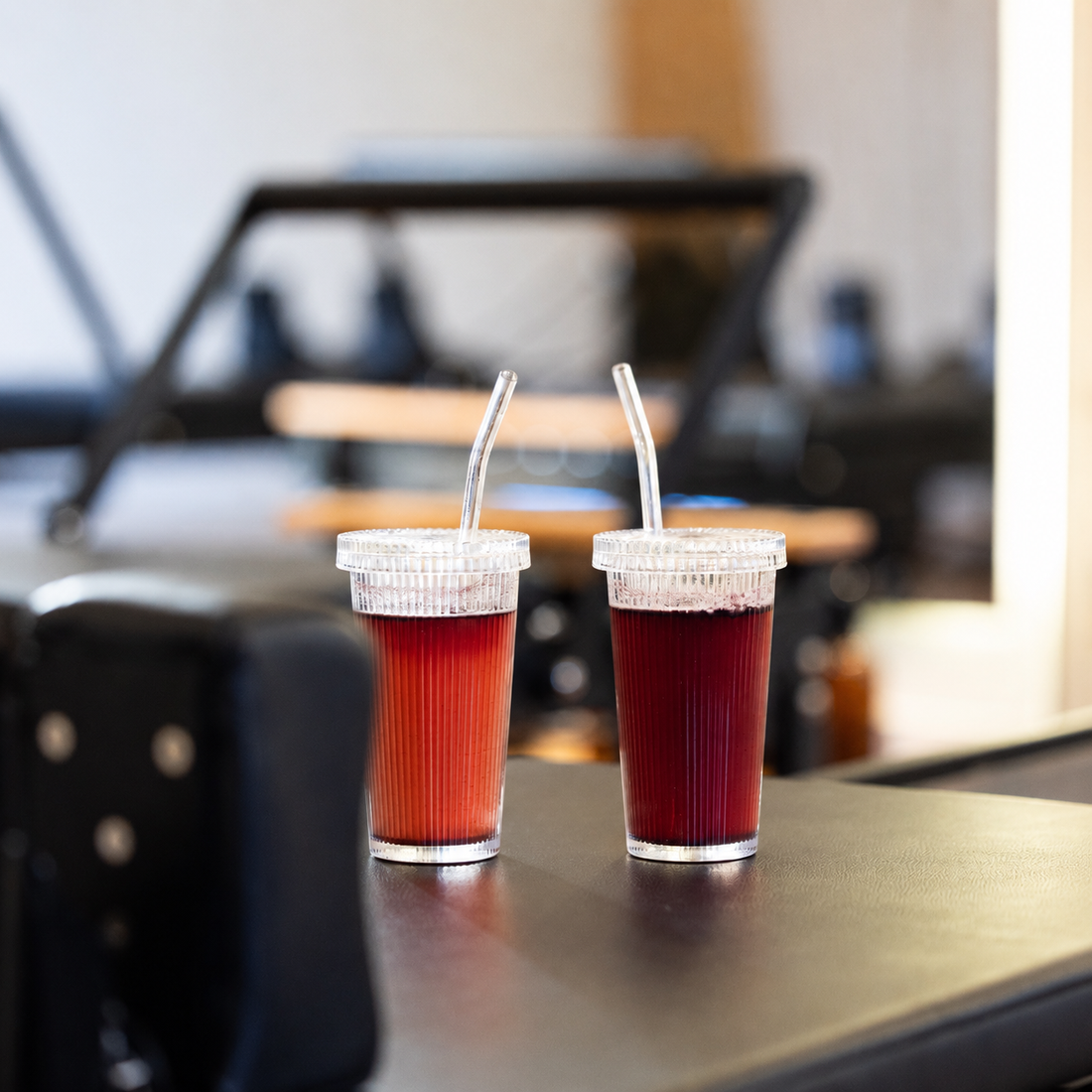
Maple, Maple-Blueberry, Maple-Peach. 12 sachets to find your favorite.
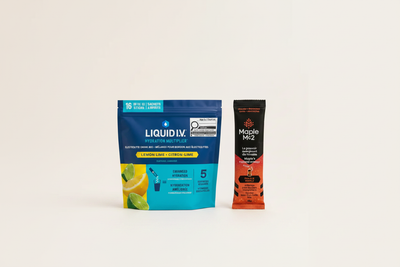
Discovery Box | $29.99Comparison: natural sports drink vs. industrial drink
| Criteria | Maple (Maple MC2) | Artificial sugars / maltodextrin |
|---|---|---|
| Origin | Maple sap harvested in Quebec | Chemically processed corn starch |
| Electrolytes | 273 mg sodium, 94 mg potassium, 47 mg calcium | None (added in lab) |
| Glycemic index | 54 (gradual energy) | 85-105 (spike then crash) |
| FODMAP | Low FODMAP (well-tolerated) | Variable (frequent discomfort) |
| Additives | None | Flavors, colors, sweeteners |
| Taste | Natural and mild | Often artificial |
| Bioactive compounds | 60+ (antioxidants, anti-inflammatories) | None |
Why Quebec athletes are turning to maple
Maple MC2 was born in Saint-Ours, Montérégie. Family maple grove. Organic maple syrup.
Unlike imported and factory-made ingredients, MC2 maple has complete traceability. From tree to sachet.
This is a fundamental trend. Athletes want to:
- Understand what they consume
- Know the origin of each ingredient
- Prioritize local products over standardized formulas
A study from Laval University has also shown that substituting refined sugar with maple syrup improves the composition of the gut microbiota and reduces several cardiometabolic risk factors.
A maple-based sports drink meets these criteria.
How to use a natural sports drink during training
Before exercise
One sachet in 500 ml of water, two hours before starting.
The 28 g of carbohydrates give you an energy reserve without overloading your stomach.
During exercise: hydration and natural electrolytes
Beyond 60 minutes, one sachet every 45 to 60 minutes.
The gradual release of maple avoids the spikes and crashes caused by maltodextrin. You stay consistent.
After exercise
Within 30 to 60 minutes after finishing.
Natural electrolytes replace what you've lost. Fewer cramps. Faster recovery. No need for a separate recovery product.
Frequently Asked Questions
In summary
On one side: maltodextrin, sweeteners, colorants, artificial flavors. Ingredients you can't name or trace.
On the other: a natural sports drink made from organic maple syrup. A single ingredient. A family maple grove in Saint-Ours. Natural electrolytes and carbohydrates in the same sachet.
Discover our maple, maple-blueberry, and maple-peach flavors, or try them all with the discovery box.